Science-led. Heat therapy. Consistent results.
The Science of Infrared
Why infrared works differently and why consistency changes everything?
Most people think sauna therapy is about extreme heat and endurance. Infrared works differently.
Infrared sauna therapy is not “hot air wellness.” It’s physics, physiology, and measurable biological responses — delivered through specific wavelengths of light that interact directly with the body.
This page explains how infrared works, how it differs from traditional saunas, and why the benefits compound over time.
Why infrared isn’t just a hotter sauna?
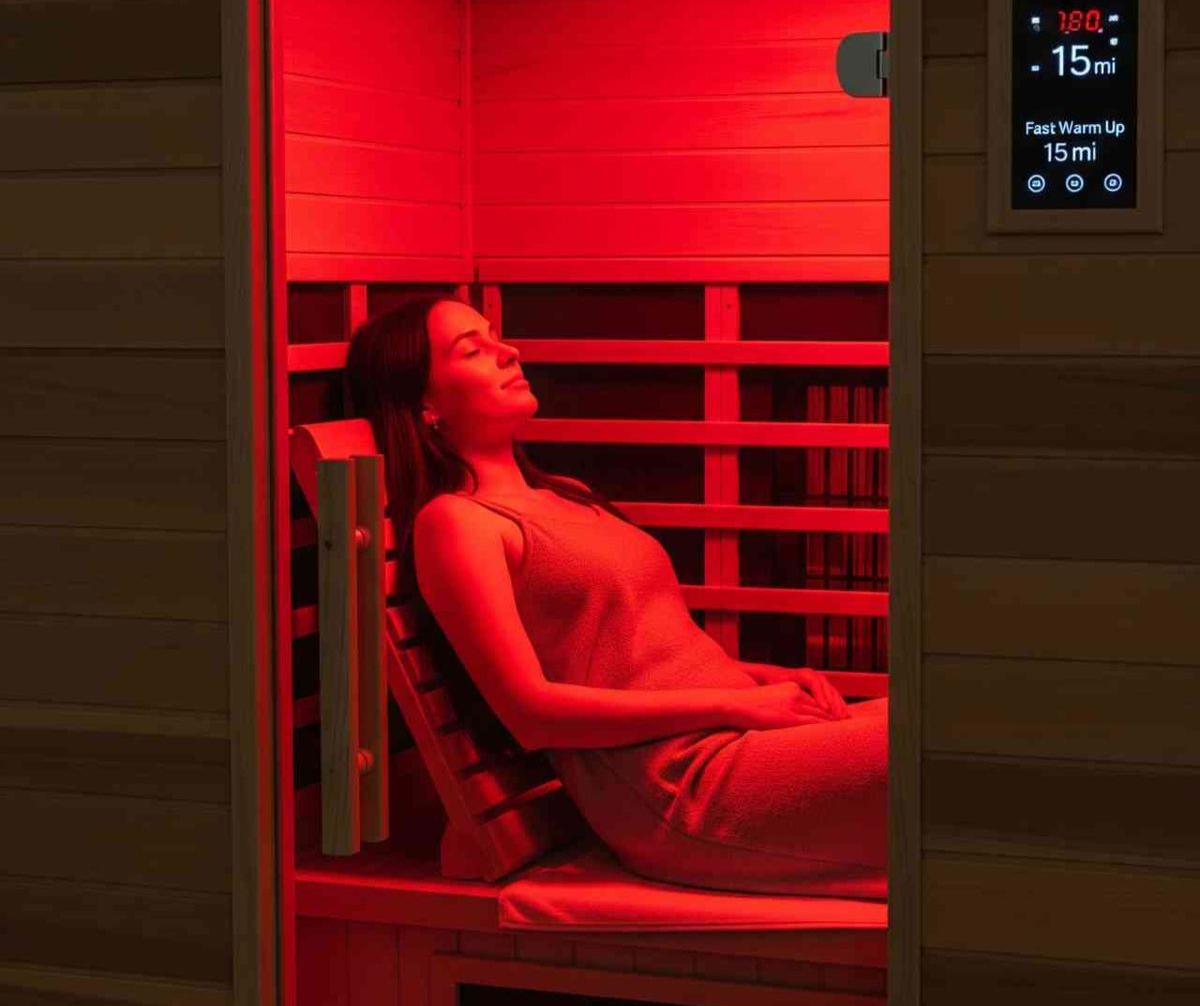
Traditional saunas heat the air around you. Infrared heats the body itself.
Instead of forcing the body to respond to extreme external temperatures, infrared delivers light energy that penetrates tissue and triggers internal physiological changes — often before the skin even feels “hot.”
This difference matters. Because when heat is absorbed rather than imposed, the body responds more efficiently, more comfortably, and more consistently.

How infrared works inside the body?
Infrared uses light, not heated air, to raise tissue temperature. Different wavelengths reach different layers of the body, each triggering specific responses. Then break it into three calm, editorial blocks:

Near Infrared (NIR)
Near infrared penetrates the skin and interacts directly with mitochondria — the energy centres of the cell. This interaction increases ATP production, supporting cellular repair, inflammation control, and skin health.

Mid Infrared (MIR)
Mid infrared heats the soft tissue layer, enhancing circulation and flexibility. This is where many people begin to feel muscular release and a sense of physical ease.

Far Infrared (FIR)
Far infrared penetrates up to several centimetres into tissue, creating deep thermal effects that increase blood flow, vasodilation, and sweating — at significantly lower temperatures than traditional saunas.

Bridge line (important):
The result is simple. Core physiological changes begin before the experience feels intense.
What the research consistently shows
Cardiovascular & Circulatory Health
Infrared heat stimulates responses similar to moderate aerobic exercise — increasing heart rate, improving circulation, and reducing vascular resistance.
This is why far infrared is often described as passive cardiovascular exercise.
Inflammation & Recovery
Infrared activates heat shock proteins, which help repair damaged proteins and reduce systemic inflammation.
Over time, this supports recovery, pain reduction, and resilience.

Detoxification (Evidence-based)
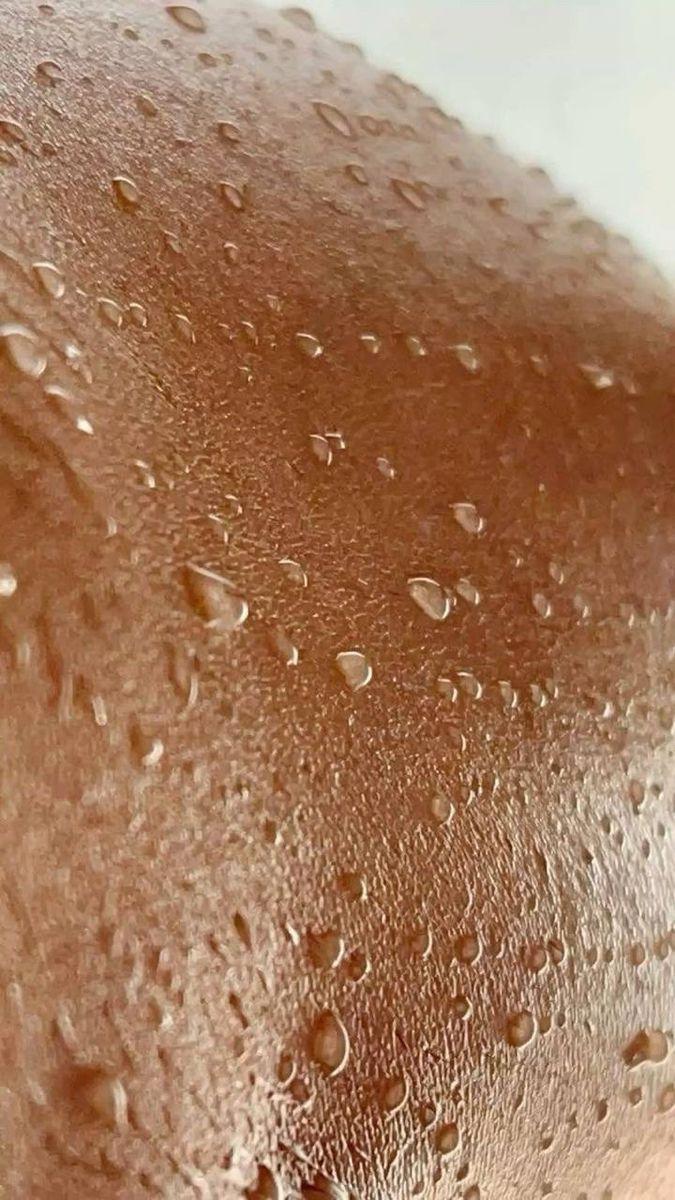
Infrared-induced sweat has been shown to contain higher concentrations of metabolic waste and environmental toxins than traditional sauna sweat — making the process more efficient, not more extreme.
Metabolic & Energy Regulation
Regular infrared use has been associated with improved insulin sensitivity, metabolic efficiency, and energy regulation — not through “fat burning,” but through sustained physiological adaptation.

Skin, Stress & Sleep
Near infrared supports collagen production and skin repair, while infrared heat reliably shifts the nervous system into a parasympathetic (rest-and-repair) state — supporting better sleep and stress regulation.

Infrared VS Traditional Saunas
Both forms of heat can feel good. But they work through very different mechanisms.
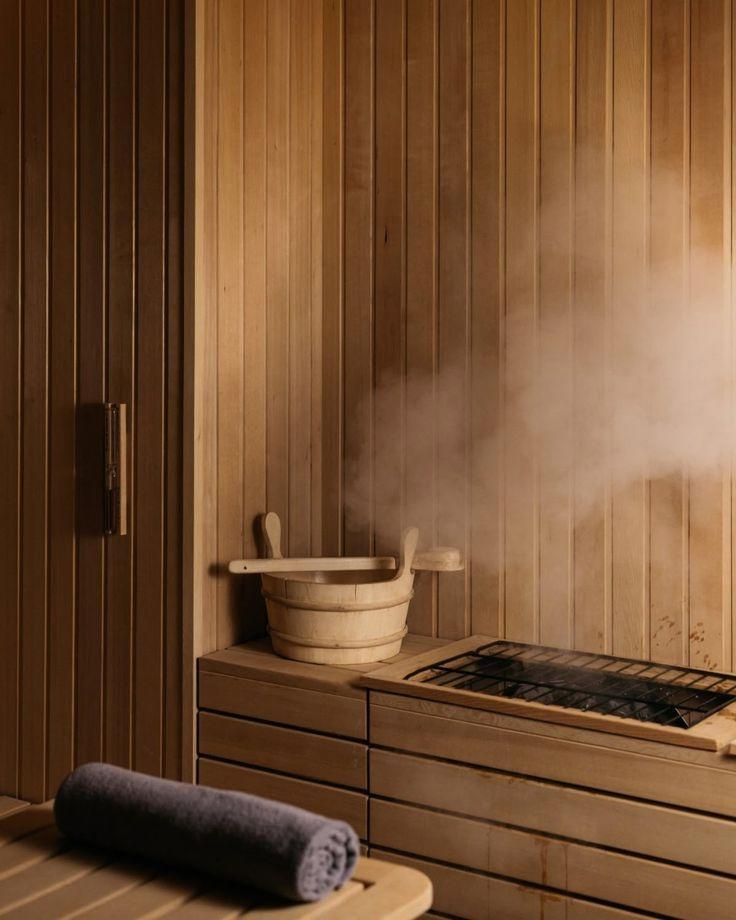
Traditional Sauna
1
Heats the air first
2
Requires 80–100°C
3
Shallow skin heating
4
Less accessible for those with heat sensitivity
5
Sweating caused by ambient heat
VS
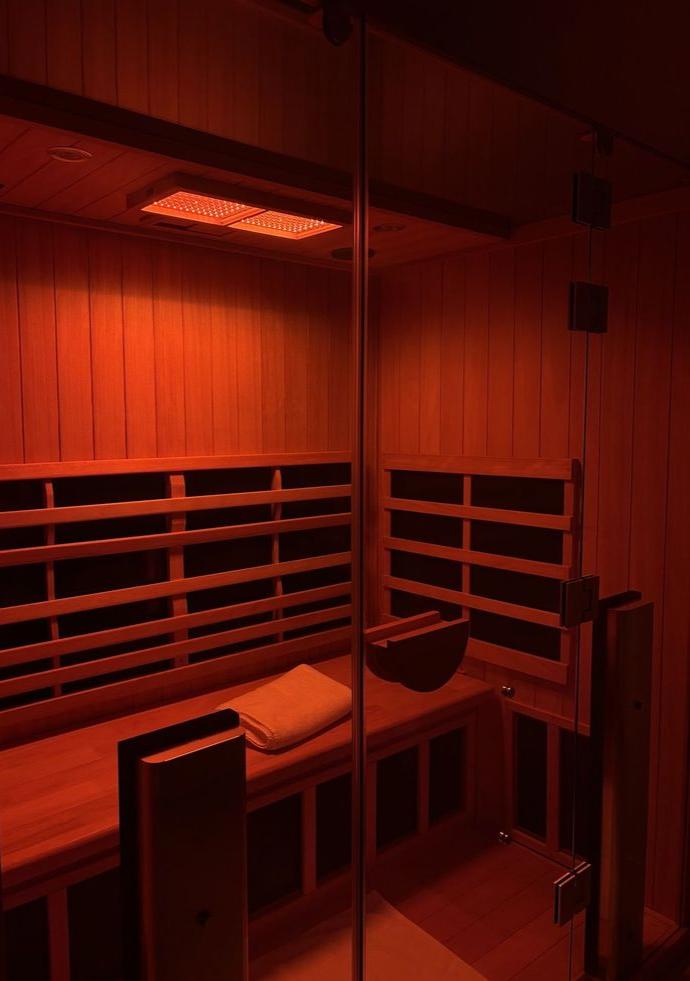
Infrared Sauna
1
Heats the body directly
2
| Effective at 40–60°C |
3
Deep tissue penetration
4
Suitable for broader range of clients
5
| Sweating caused by internal thermal response |
Because infrared heat is absorbed rather than endured, it allows for more regular use — which is where the real benefits emerge.
The long-term effect of regular infrared use
Over time, studies suggest regular sauna use is associated with:
✓ Improved cardiovascular outcomes
✓ Reduced chronic inflammation
✓ Better stress resilience
✓ Improved recovery and pain management
Infrared is not a miracle cure. But when used consistently, it supports measurable, cumulative change across systems that govern how the body ages, recovers, and adapts.
This is why infrared works best as a foundation, not a one-off intervention.


Why clients often notice the effects immediately?
Infrared’s effects begin within minutes:
✓ Circulation increases
✓ ATP production rises
✓ Endorphins release
✓ The nervous system shifts into a calmer state
That’s why people often describe feeling lighter, calmer, and more regulated after a single session — even before long-term changes take hold.
Why Heat House focuses exclusively on infrared?
Heat House exists because not all heat works the same way.
By focusing solely on high-quality infrared saunas, Heat House is designed around:
✓ Consistency over intensity
✓ Measurable outcomes over trends
✓ Calm, private use over performance
Infrared works best when it becomes part of life — reliable, repeatable, and quietly effective.
That’s how we’ve designed the experience.